 EN
 TR
 AR
 RU
Start looking for your dream home...

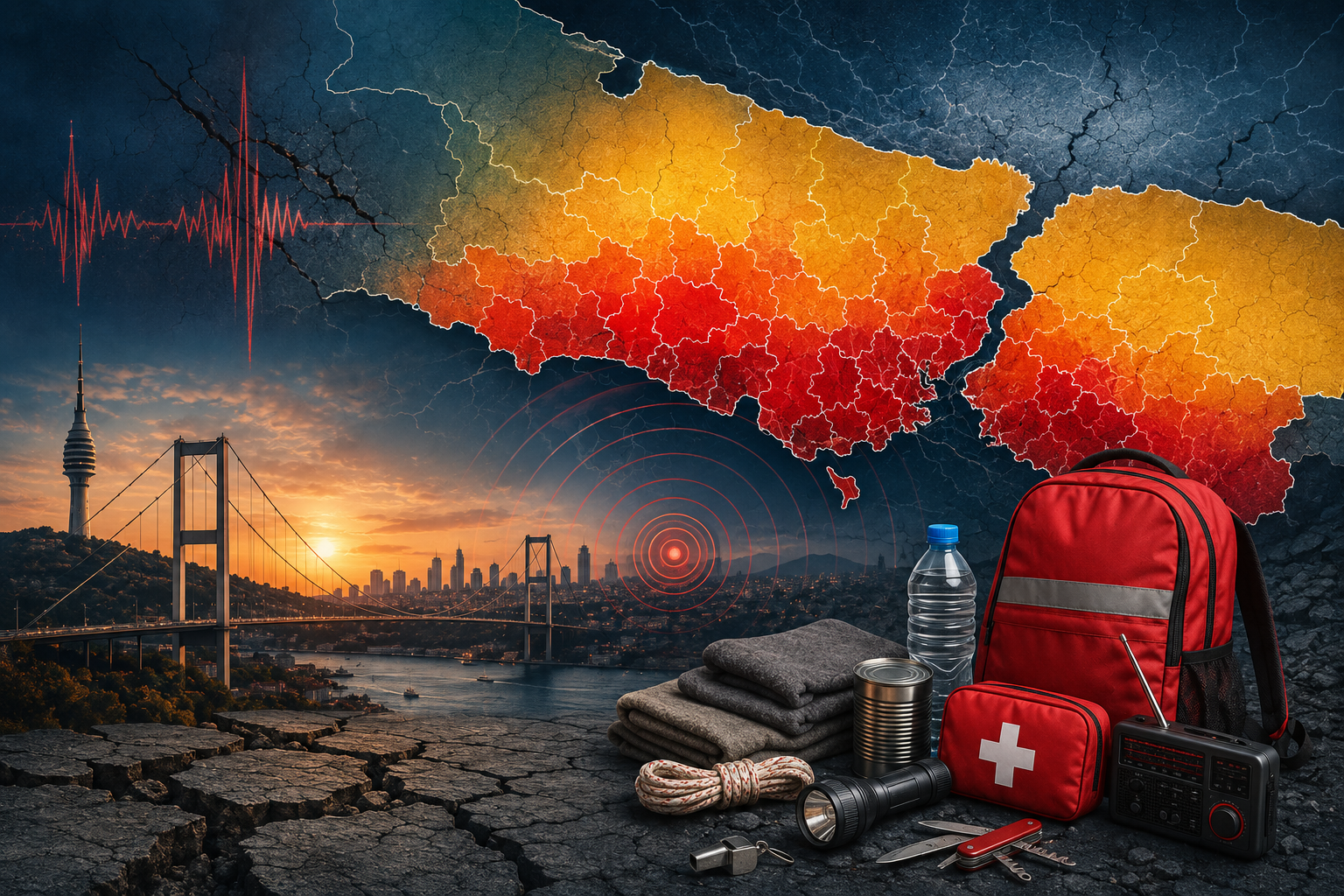
Within the scope of the "Istanbul Province Possible Earthquake Loss Estimation Updates Project (2019)" prepared by the Istanbul Metropolitan Municipality Earthquake and Soil Investigation Directorate, detailed earthquake risk analyses and mapping studies were prepared for all 39 districts of Istanbul. As a result of these studies, possible earthquake loss estimations were created on a district basis and presented to the public.
Within the scope of the study conducted by IMM, comprehensive risk analyses were prepared by evaluating earthquake hazards, building stock, infrastructure systems and urban structures for all districts of Istanbul.
In the analyses prepared separately for each district, building damages, casualties, injuries and infrastructure impacts were evaluated according to possible earthquake scenarios. Thus, risk levels specific to each district were identified.
You can access the earthquake loss estimation reports prepared specifically for Istanbul's 39 districts through the link below:
https://depremzemin.ibb.istanbul/guncelcalismalarimiz/#olasi-deprem-kayip-tahmnler-le-ktapiklari
The first 72 hours after an earthquake are critically important. Preparing a Disaster and Emergency Bag in advance is vital to meet basic needs until rescue teams arrive. The bag should be prepared to meet the needs of family members, as well as babies, elderly people, individuals with disabilities and pets.
Disaster and Emergency Bags should not only be kept at homes but also in workplaces, schools and other regularly used locations. Expiration dates of food and beverages inside the bag should be checked regularly and supplies should be updated according to needs.
The earthquake risk analyses prepared by Istanbul Metropolitan Municipality reveal the conditions of districts against possible earthquake scenarios. In addition, making necessary preparations before a disaster and keeping a Disaster and Emergency Bag ready are critically important during the first hours after an earthquake. Being informed and prepared is one of the most important steps in reducing the effects of disasters.